"Las grietas de la masculinidad" — A Book by Marta Jiménez, Noemí Parra, and Josetxu Riviere on the Crisis of Masculinity
A study of men's malaise, the antifeminist backlash, and possibilities for gender transformation.
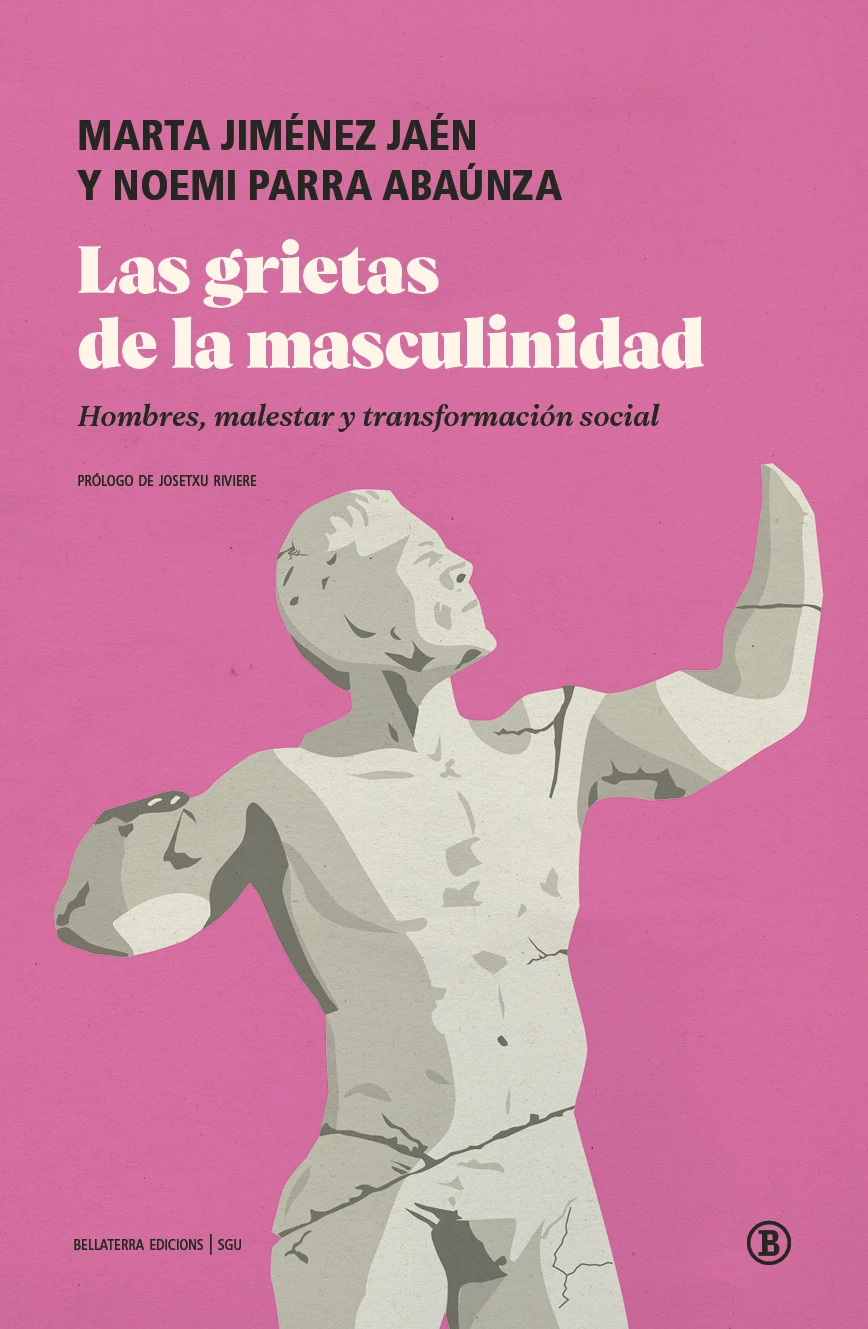
On September 9, 2026, the Spanish publisher Bellaterra Edicions released the Spanish-language book Las grietas de la masculinidad. Hombres, malestar y transformación social (The Fractures of Masculinity: Men, Malaise, and Social Transformation) in its academic series “Serie General Universitaria”. The volume is co-authored by sociologist Marta Esther Jiménez Jaén, gender scholar Noemí Parra Abaúnza, and social researcher Josetxu Riviere Gómez.
Marta Esther Jiménez Jaén teaches sociology at the University of La Laguna in Tenerife, focusing on the sociology of education, trade unionism, and gender relations. Noemí Parra holds a doctorate in gender studies, a master’s in sexology, and teaches social work at the University of Las Palmas de Gran Canaria, where she combines feminist activism with research on trans youth and gender transition. Josetxu Riviere is a long-standing specialist in engaging men in gender equality at Berdintasun Proiektuak and an active participant in Spanish and Basque anti-sexist men’s networks such as the Red de Hombres por la Igualdad and Gizonsare.
The book investigates the phenomenon of male malaise (el malestar masculino), which has emerged in recent years as a contested battleground of contemporary politics. On the one hand, public acceptance of feminist principles and LGBTIQ+ rights has steadily grown, prompting profound shifts in family models, sexuality, and the division of care work (cuidados). On the other hand, a reactionary and far-right resurgence has actively seized upon men’s disorientation, perceived loss of privilege, and emotional vulnerability—especially among adolescent and young men—funneling their grievances into antifeminist and misogynistic ideologies.
The authors use the metaphor of “fractures” (grietas) to examine the structural instability of patriarchal masculinity. Rigid normative expectations not only enforce domination over women and queer people, but also inflict severe damage upon men themselves: emotional suppression, the fear of vulnerability, and an obsession with dominance fuel physical distress, violence, and self-destructive patterns. The study reveals how traditional patriarchal socialization cripples men’s capacity for empathy, mutual care, and egalitarian relationships.
The central insight of the book is that the growing fractures within the patriarchal order must not be surrendered to reactionary forces. The authors argue that confronting this male crisis offers a critical opportunity for genuine emancipation: by acknowledging vulnerability, renouncing violence, redefining desire, and forging active solidarity with feminist and queer movements in pursuit of social justice.