"Rainbow Rome" — Francesco Angeli's Book on the Hidden LGBT History of the Italian Capital
A book by Italian activist Francesco Angeli on LGBT memory sites in Rome and the history of the movement.
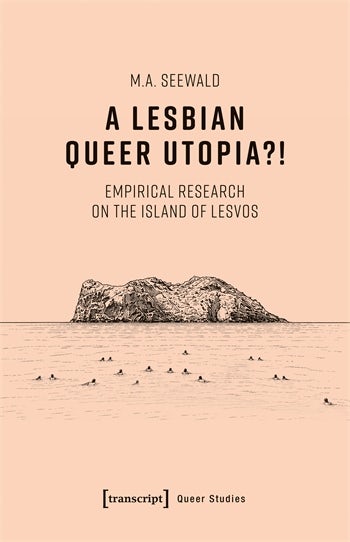
“Romarcobaleno. Angoli segreti della cultura LGBT. Una guida alla Roma che accoglie” (Rainbow Rome: Secret Corners of LGBT Culture. A Guide to the Welcoming City) is a book by Italian LGBT activist and writer Francesco Angeli, written in Italian. The book was published in June 2026 by Giulio Perrone Editore in the “Passaggi di Dogana” series.
“Romarcobaleno” combines two Italian words: “Roma” (Rome) and “arcobaleno” (rainbow, the symbol of the LGBT movement). The “Passaggi di Dogana” (Customs Crossing) series is a collection of cultural-historical guides, each exploring a city or country through the lens of a famous person or significant cultural phenomenon.
Francesco Angeli is one of the leading figures of the Italian LGBT movement. Born in Campobasso in the Molise region, he has been active in Rome for many years. Angeli has served as president of Arcigay Roma, founded the Roma Checkpoint health center for gay and bisexual men, and served as vice president of the national Arcigay organization. He has organized numerous Pride events, including Lazio Pride and Molise Pride.
Arcigay is Italy’s largest LGBT rights organization, founded in 1980. Roma Checkpoint is a health and psychological services center for gay and bisexual men in Rome.
The book is a historical guide to the queer memory of Rome. The author maps the city through little-known sites, forgotten memorial plaques, and events that have fallen out of official urban memory. It covers memorial plaques honoring activist Massimo Consoli and other prominent figures of the Italian LGBT movement, murals in the San Paolo district and near the Jonio metro station, the Testaccio neighborhood — described in the book as “the cradle of the Italian gay movement” — and Gay Street in the shadow of the Colosseum. The book combines urban itineraries, testimonies from movement participants, historical reconstructions, and personal stories.