“Unsayable” — Michael Cunningham’s Book on Literature, Memory, and Queer Experience
The Pulitzer Prize-winning novelist reflects on craft, memory, love, and the losses of AIDS.
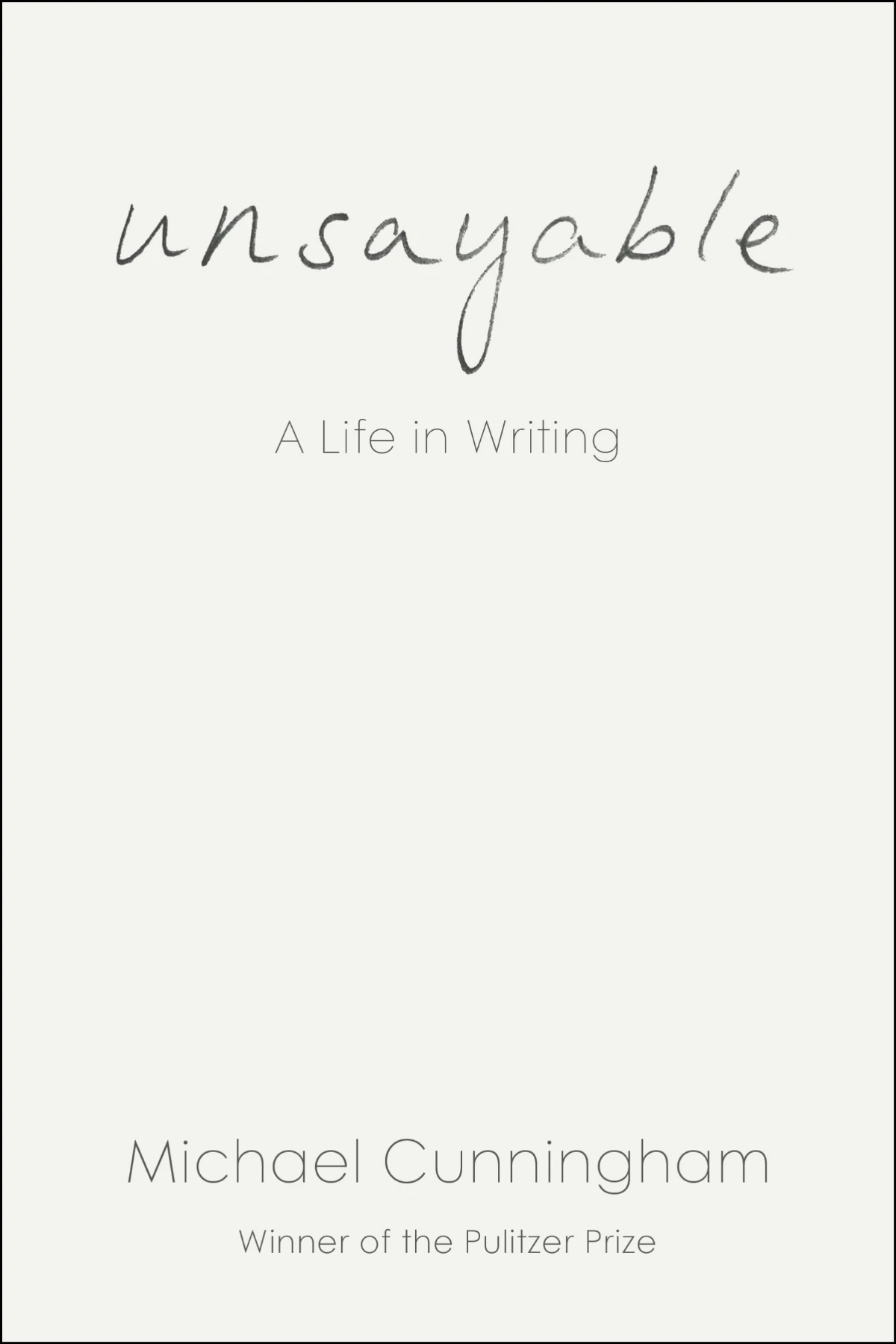
On July 21, 2026, American publishing house Random House released in English the autobiographical volume Unsayable: A Life in Writing. The book is authored by acclaimed American novelist, essayist, and Pulitzer Prize winner Michael Cunningham.
Michael Cunningham is one of the defining voices of contemporary American literature, best known for his 1998 novel The Hours, which received both the Pulitzer Prize for Fiction and the PEN/Faulkner Award before being adapted into an Academy Award-winning film. His notable bibliography also includes A Home at the End of the World (1990), Flesh and Blood (1995), Specimen Days (2005), The Snow Queen (2014), and Day (2023). For many years a senior lecturer in creative writing at Yale University, Cunningham has consistently explored human intimacy, non-traditional kinship, the passage of time, and the vulnerabilities of memory.
In its composition, Unsayable represents an evocative blend of personal memoir and deep reflections on the craft of fiction. Resisting strict chronological convention, Cunningham alternates vivid biographical vignettes with concise craft essays. He examines the delicate frontier between lived reality and creative invention, considers how telling details are selected from experiential chaos to animate fictional characters, and explains why ruthless self-editing and paring back superfluous prose remain the novelist’s ultimate discipline.
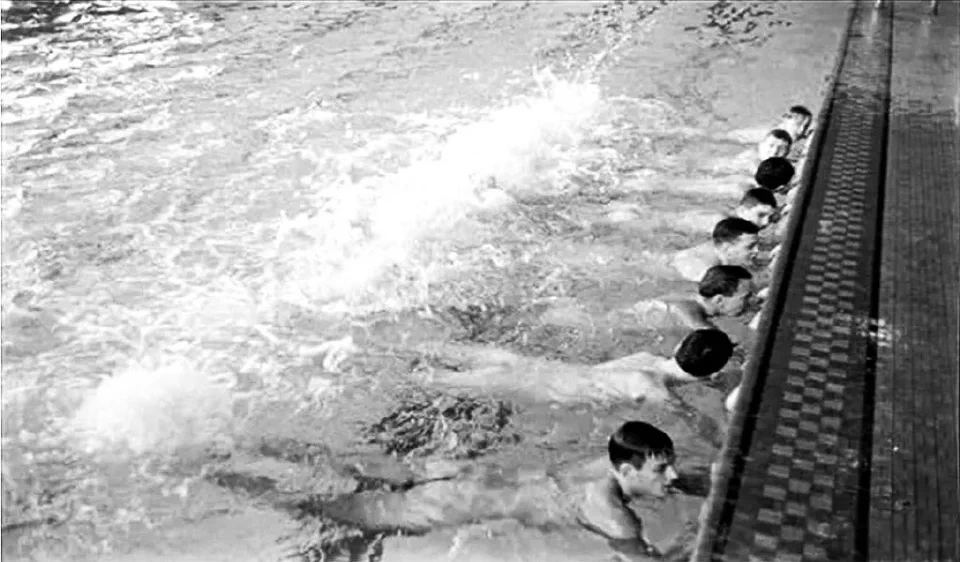
The author’s lifelong romance with language traces back to earliest childhood. Cunningham recounts how, at age three, he suffered acute distress when unable to name a green plastic Tupperware container holding his toys. That moment sparked an obsessive hunger to collect and name the components of the world: oak, Chevrolet, tulip, finch. Naming became a way to render reality comprehensible and marked the beginning of his literary vocation. His California youth brought the awakening of his sexuality: Cunningham depicts an evening at age fifteen by a swimming pool, silently gazing at a handsome male classmate who was his first unrequited love. Soon after, discovering Virginia Woolf’s Mrs Dalloway struck him with the visceral intensity of Jimi Hendrix’s guitar, revealing that prose could capture the most elusive tremors of human consciousness.
The memoir chronicles his formative years at Stanford University and the prestigious Iowa Writers’ Workshop, marked by financial precarity, odd jobs, and persistent labor to develop an artistic voice. Cunningham recalls setting off across the American expanse in an aging Dodge Dart, hoping to wring a novel from the landscape, and his eventual arrival in New York City, where a chance encounter at an art gallery introduced him to psychoanalyst and writer Ken Corbett, his life partner of more than forty years.
A poignant and harrowing cornerstone of the book is the chapter titled “Plague Years,” which revisits New York during the height of the AIDS crisis in the 1980s and early 1990s. Cunningham bears witness to an epidemic that devastated an entire generation of friends, lovers, artists, and peers. The omnipresence of premature mortality profoundly shaped his creative sensibility and became the emotional core of works like A Home at the End of the World and The Hours. For Cunningham, writing emerged not merely as an aesthetic practice, but as an enduring act of queer remembrance for lives institutional indifference sought to overlook.
The book’s central philosophical insight lies in its title: the “unsayable” points to language’s inevitable limitation in capturing the full weight of mortality, desire, and human sorrow. Characterizing the novelist’s career as “a life spent as an amateur” where past achievements offer no immunity against the blank page, Cunningham affirms that literature draws its deepest power from the ceaseless urge to name that which forever eludes expression.