Massachusetts Lesbian Bar Last Ditch Faces Boycott Over Relaxing Mask Mandate
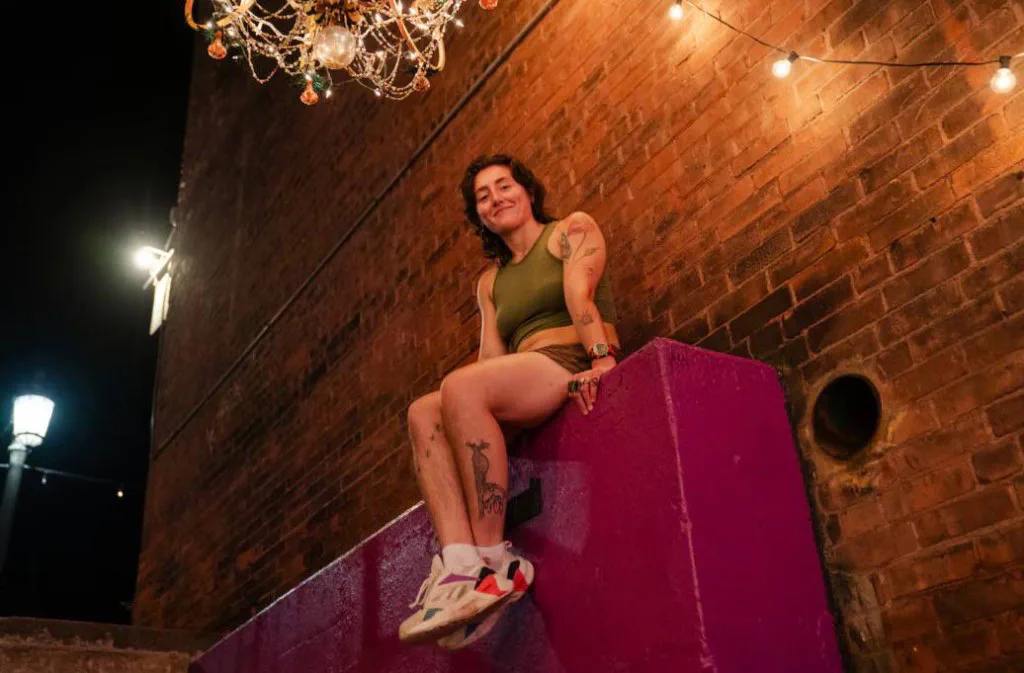
In the city of Greenfield in western Massachusetts, the inclusive lesbian bar and arts venue Last Ditch has become the center of a bitter controversy and boycott from members of the local queer community. The dispute erupted after management decided to make respirator masks optional on Saturday nights in an effort to draw more patrons and stave off financial collapse.
The backlash began following an August 31, 2026 social media update from the bar, which announced among its weekend events: “It is with love we inform our immunocompromised disabled divas we will be opening Saturday nights as mask optional.” On all other nights, the venue kept its strict requirement that guests wear well-fitted KN-95 masks or better at all times. The announcement drew hundreds of hostile comments, with online activists and some patrons accusing the venue of “ableism,” discrimination, and endangering the health of high-risk individuals. A follow-up apology by management provoked further outrage when the graphic was posted without descriptive alternative text (alt-text) for visually impaired users.
According to reporting by The Boston Globe , the relaxation of the mask rule was driven by dire financial strain. Last Ditch was launched in April 2025 by three young activists aiming to create an accessible space of mutual aid: entry was offered on a “pay-what-you-can” model, low-income visitors were never turned away, and the venue maintained a free distribution point offering clothes, harm-reduction testing supplies, and over-the-counter medicine. However, the venue soon faced a critical funding shortage as few patrons paid cover charges, and two co-founders stepped back due to personal commitments and health issues. Consequently, the entire financial responsibility—including a $50,000 startup loan from the Franklin County Community Development Corporation and $3,900 in back rent—fell onto the sole remaining operator, 26-year-old Jackie Matellian, who was forced to work four jobs and live in her pickup truck for six months.
On September 11, the bar hosted a community meeting with a professional mediator in an attempt to de-escalate tensions. Matellian broke down in tears while describing the crushing debt and the impossibility of sustaining the venue alone. However, online critics led by local queer organizer Soe Noire accused her of emotional manipulation and refusing to acknowledge harm caused to vulnerable groups. Meanwhile, bar staff noted that the uncompromising mask mandate had deterred the general public in Greenfield—a city of roughly 18,000 where no COVID-19 cases had been recorded in over two months—as patrons felt alienated by the venue’s perceived moralizing tone.
Following extensive media coverage, the controversy gained nationwide attention across the United States. According to Newsweek , Google temporarily disabled new reviews because of a spike in spam, while Yelp continued to receive comments from people in other states and countries. Politicians also weighed in, including Republican Texas Senator Ted Cruz, who criticized the mask requirement. The bar disabled comments on its social-media accounts.
A subsequent report by the Greenfield Recorder presented both sides of the dispute. Soe Noire told the newspaper that COVID-19 had not disappeared and argued that The Boston Globe had focused more on the most extreme reactions than on the health concerns behind patrons’ objections. Several local business owners, by contrast, supported the decision to make masks optional on Saturdays and hoped the publicity would help the bar survive. City Council President Lora Wondolowski called the national attention unfair to a small business and expressed concern about the venue’s future.
By September 24, Last Ditch’s fundraiser had reached 78 percent of its $12,500 goal, with donations arriving from other parts of the United States and the United Kingdom. The Recorder reported that the money was intended to cover $3,900 in back rent, masks and COVID-19 tests, an industrial air purifier, payroll and renovations. The bar also publicly called for an end to harassment of Noire, saying that he had not posted the comment wishing for the venue to be firebombed and had not mocked Matellian’s housing difficulties.
Last Ditch remained open at the end of September. Newsweek reported that music and club events were still scheduled, that the venue had not announced a reversal of its new Saturday policy, and that another community meeting was planned for October. A September 27 report by The New York Times said another meeting was taking place before the bar opened on Saturday and that several local residents had come specifically to support the business by spending money there. Reports of a possible closure had therefore not materialized, although Last Ditch’s financial position remained uncertain.
Last Ditch is an independent queer cultural space in Franklin County, serving LGBTQ+ individuals across the Pioneer Valley in western Massachusetts. The venue operates as a bar, arts space, and mutual aid hub.
Uránia previously covered journalist Rachel Karp’s book The Lesbian Bar Chronicles , which documents the historic struggle for survival among sapphic venues in the United States, as the remaining establishments face persistent tensions between commercial sustainability and strict ideological expectations.