
UN Special Rapporteur Details Russian Transnational Repression Targeting LGBT People in Exile
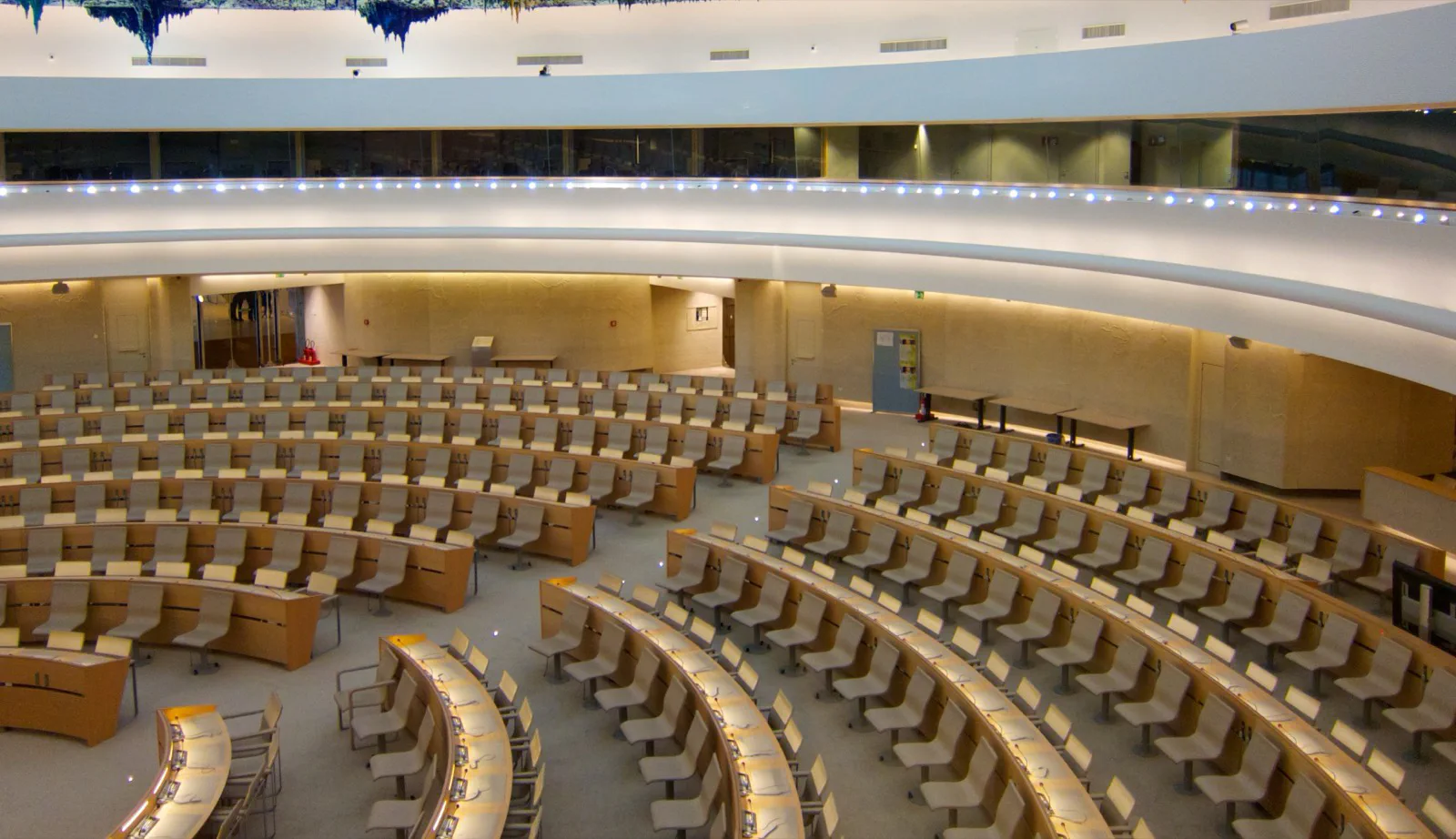
The United Nations Special Rapporteur on the situation of human rights in the Russian Federation, Mariana Katzarova, presented her annual report to the UN Human Rights Council in Geneva, detailing a systematic state-sponsored apparatus of transnational repression against Russian citizens abroad, including LGBTQ+ individuals and rights defenders. The findings were reported on September 21, 2026, by Novaya Gazeta Europe, citing official UN Human Rights Council documentation .
Titled “Nowhere to Hide: Exporting the ‘Rule of Fear’ Beyond Borders – Transnational Repression by the Russian Federation,” the report concludes that extraterritorial coercion of dissidents has escalated into institutionalized state policy since 2022. Reviewing nearly 400 documented cases spanning 2004 to 2026, Katzarova highlighted that the average annual number of incidents has surged eightfold. Primary mechanisms documented include trials in absentia (which jumped from 4 in 2022 to 157 in 2025), weaponization of INTERPOL notices and CIS regional arrest warrants, digital surveillance, international financial de-platforming via Rosfinmonitoring lists, and the harassment or abduction of relatives remaining in Russia.
The report places specific emphasis on the vulnerabilities confronting exiled LGBTQ+ persons. According to the Special Rapporteur, the Russian Supreme Court’s November 2023 decision designating the “international LGBT movement” as extremist created an enduring risk of criminal prosecution that pursues individuals into exile, as borders offer no protection against extremist red notices. Queer people fleeing the North Caucasus face acute dangers; the report documents attempts to forcibly return survivors through fabricated criminal allegations, citing the case of Salman Mukaev, who escaped torture in Chechnya and was detained in Armenia in 2024 on Russian weapons charges before ultimately securing refugee status.
Katzarova urged host countries to uphold the principle of non-refoulement, rigorously review all Russian extradition requests, and support drafting an internationally binding UN convention on transnational repression. For their part, Russian authorities have consistently refused to recognize the Special Rapporteur’s mandate, dismissing the post as politically motivated interference, denying Katzarova entry into the country, and rejecting accusations of systematic human rights violations.
The mandate of the UN Special Rapporteur on human rights in Russia was established in 2022, with Bulgarian human rights expert Mariana Katzarova appointed in May 2023. Previously, Uránia reported that Russian LGBTQ+ organizations Sphera and Coming Out, alongside international civil society groups, petitioned the UN Human Rights Council to renew the mandate to maintain independent documentation of ongoing violations.