Moscow Court Fines Head of Security at Garage Museum Over 'LGBT Propaganda' in Exhibition
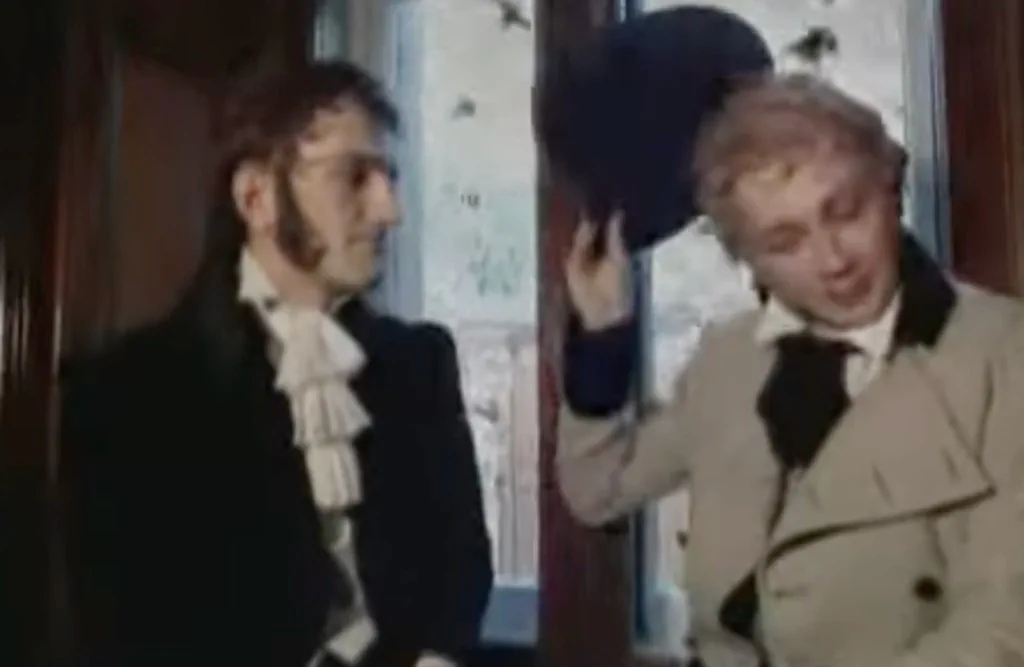
On October 6, 2026, the official portal of Moscow’s magistrate courts published the text of a ruling finding Sergey Klyucherev, head of security at the capital’s Garage Museum of Contemporary Art, guilty of “propaganda of non-traditional sexual relations” and imposing a fine of 100,000 rubles. According to the court order, highlighted by the independent news outlet Mediazona , the prosecution was triggered by two artworks on display in the museum’s “Open Storage” exhibition: artist Olga Tobreluts’s 1994 short video film Woe from Wit and Lyudmila Gorlova’s photo-novel How I Love.
The penalty under Part 1 of Article 6.21 of the Russian Code of Administrative Offenses was handed down on August 31 by magistrate judge Nikolay Shlykov of judicial district No. 396 in Moscow’s Yakimanka district. The case originated from an inspection of the museum’s second floor conducted in May 2026 by an investigator from the district department of the Ministry of Internal Affairs, who documented the exhibits on photo and video. The police subsequently forwarded the materials to the Center for Socio-Cultural Expertises, an autonomous non-profit organization. The center’s general director, Natalia Kryukova, and forensic linguist Aleksandr Tarasov concluded that the artworks “contained indications of propaganda of non-traditional sexual relations and preferences.”
As noted by the LGBTQ+ news portal Parni PLUS , the court ruling does not specify which particular scenes, visual elements, or phrases formed the basis for the conviction. Olga Tobreluts’s Woe from Wit is a 9-minute silent comedy stylization inspired by Alexander Griboyedov’s 19th-century classic play, produced at the intersection of Russian Neo-Academism and early computer graphics; the video contains no explicit or sexual scenes, and its sole prominent LGBTQ+ figure was the renowned Saint Petersburg visual artist and drag performer Vladislav Mamyshev-Monro, who played the male role of Alexey Molchalin. The second piece, Lyudmila Gorlova’s conceptual photo-novel How I Love, consists of 26 photographic portraits of women paired with excerpts from popular romantic melodrama literature.
Court documents indicate that in December 2024, the museum assigned Klyucherev personal responsibility for reviewing exhibitions and accompanying materials for compliance with Russian federal law. His duties included notifying museum leadership of potentially contentious works and recommending independent expert evaluations when appropriate. The court ruled that by permitting the display of the works, the head of security committed an administrative offense.
Klyucherev did not attend the court hearing. His legal representative argued that the defendant was innocent and petitioned to dismiss the proceedings due to the absence of any offense. The defense is currently appealing the judgment, with the next district court hearing scheduled for October 26.
The Garage Museum of Contemporary Art was founded in 2008 by businessman Roman Abramovich and curator Dasha Zhukova. The museum is a major center for archiving and researching Russian contemporary art; in spring 2022, the institution suspended its temporary exhibition programs to focus on research and educational projects. The Center for Socio-Cultural Expertises has frequently been engaged by Russian law enforcement to provide prosecution-aligned expert assessments in politically sensitive trials, including the cases against Pussy Riot, the Memorial Human Rights Centre, and the designation of Jehovah’s Witnesses as an extremist organization.
Earlier, Urania reported on the opening of the “LGBT propaganda” case against the Garage Museum’s security director. Initial media reports suggested the scrutiny was linked to a video featuring two men in another exhibition, Art on the Frequency of the 1980s, but the published ruling confirmed that the charges were rooted in the works by Tobreluts and Gorlova from the Open Storage collection.