Injectable HIV Prevention Drug to Cost $40 in 11 Middle East and North Africa Countries
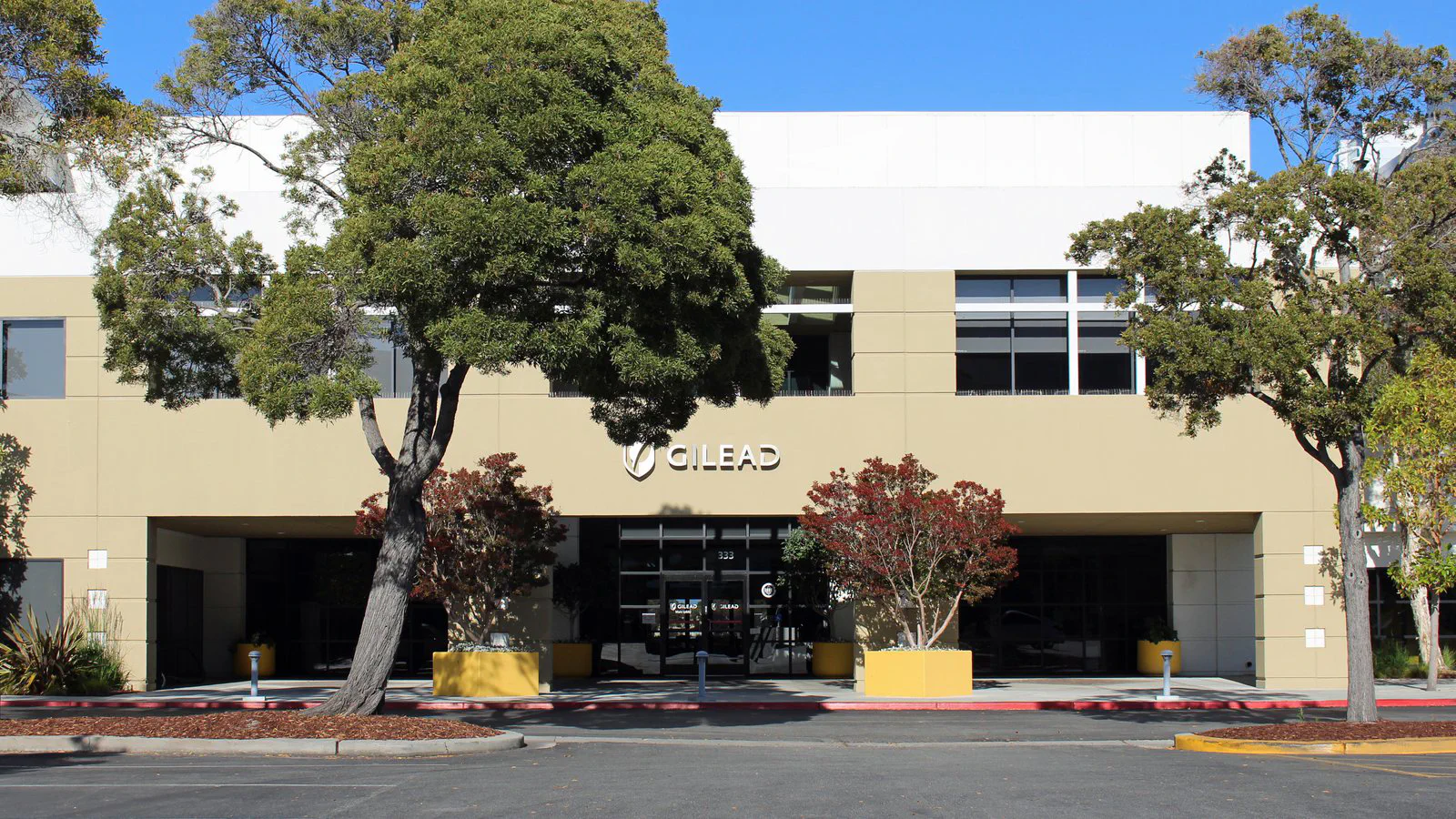
In early October 2026, it was reported that an innovative injectable pre-exposure prophylaxis (PrEP) drug requiring just two shots a year will be made available for approximately $40 per year across eleven countries in the Middle East and North Africa (MENA), as well as Afghanistan. According to a report by The New Arab, the drug’s developer, U.S. biopharmaceutical company Gilead Sciences, has finalized voluntary licensing agreements with six generic drugmakers, enabling mass production of an affordable version by 2027 following initial limited distribution in late 2026.
The medication, lenacapavir (marketed in the United States as Yeztugo for prevention and Sunlenca for treatment), is a long-acting HIV capsid inhibitor. Specialists view it as a major breakthrough in HIV prevention, replacing daily pills (such as fixed-dose combinations of tenofovir and emtricitabine) with two subcutaneous injections administered every six months. The price disparity remains stark: while branded Yeztugo costs approximately $28,218 per person annually in the United States, generic versions produced under the licensing pacts for 120 low- and middle-income countries are projected to cost around $40 per person per year.
In the MENA region, the agreement covers Afghanistan, Djibouti, Egypt, Libya, Mauritania, Morocco, Somalia, Sudan, Syria, Tunisia, and Yemen. Egyptian pharmaceutical company Eva Pharma is among the six licensed manufacturers, alongside several Indian and multinational drug producers. Gilead stated that its licensing territory was guided by HIV disease burden, local economic conditions, and where generic access could achieve the greatest public health impact. Prior to the full commercial scale-up of generic production, Gilead has pledged to provide branded lenacapavir at non-profit pricing in partnership with the Global Fund to Fight AIDS, Tuberculosis and Malaria, which is currently supporting rollout in 21 countries worldwide, including Morocco.
However, the licensing strategy has drawn criticism from international humanitarian group Doctors Without Borders (Médecins Sans Frontières, MSF). Health advocates and clinicians pointed out that several middle-income nations in the region—including Algeria, Jordan, Iraq, Lebanon, Palestine, and Iran—were excluded from the agreement, meaning Gilead will directly set prices there. MSF HIV Lead Carlota Baptista emphasized that this geographic divide creates inequities across a region characterized by cross-border movement, urging Gilead to extend royalty-free licensing to all countries.
The need for effective preventative options in the Middle East and North Africa is especially pressing. According to UNAIDS, while global new HIV transmissions dropped by approximately 40% between 2010 and 2024, new infections in the MENA region surged by 94% over the same period—from 12,000 to 23,000 annually. Furthermore, only around 63% of people living with HIV in the region are aware of their status, and fewer than half receive antiretroviral therapy. UNAIDS notes that widespread social stigma, discriminatory legislation, and criminalisation of vulnerable groups, including men who have sex with men (MSM), present formidable barriers to healthcare. In such contexts, a twice-yearly injection ensures discretion and eliminates the privacy risks associated with purchasing and storing daily pill bottles.
Previously, Urania detailed the rollout of the long-acting injectable drug lenacapavir for HIV PrEP in Mozambique and reported on Grindr’s acquisition of the Freddie telehealth platform to expand HIV PrEP services.