Investigation Reveals Meta Paid Dozens of Anti-LGBTQ Accounts Ahead of U.S. Midterms
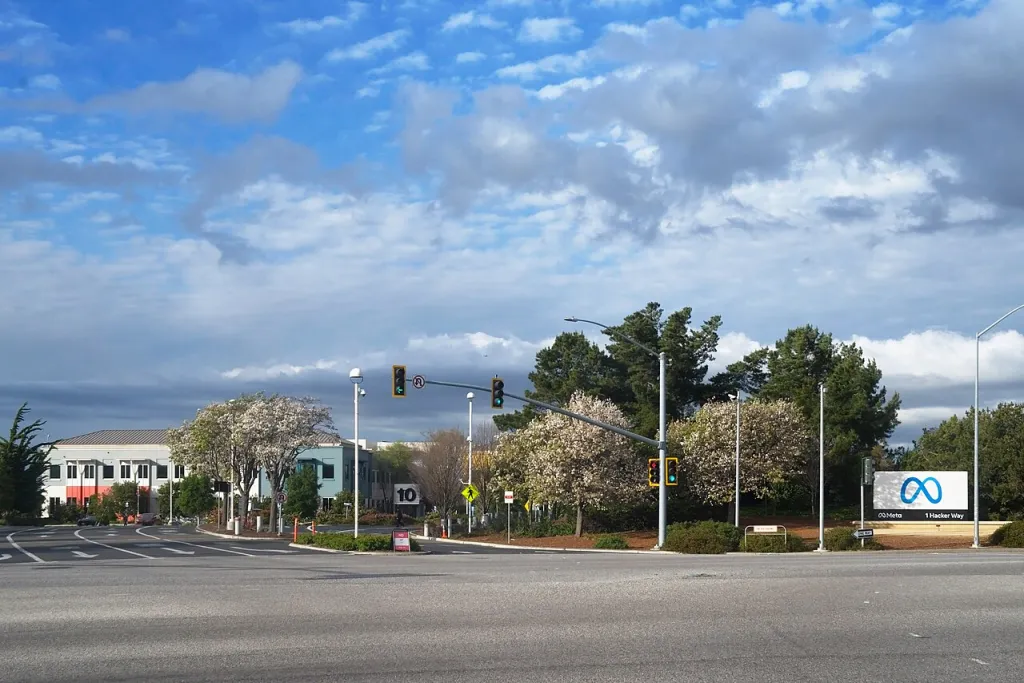
In October 2026, a joint investigation by investigative outlet Uncloseted Media and nonprofit newsroom The 19th revealed that tech giant Meta enrolled at least 29 accounts with documented histories of anti-LGBTQ rhetoric and polarizing political claims into its invite-only Facebook Content Monetization program, paying them directly for engagement.
According to American LGBTQ publication Washington Blade, which republished the investigation’s findings, the enrolled creators were identified using public data from the Meta Monetization Archive, a searchable tracker created by Dutch tech accountability organization What To Fix (WTF). The monetized pages include activist Chaya Raichik’s Libs of TikTok, conservative political commentator Benny Johnson, webcomic creator StoneToss, podcaster Candace Owens, conservative youth group Turning Point USA, and commentators Tucker Carlson and Jack Posobiec. Reporting found that participants received direct platform payouts for posts attacking transgender individuals, accusing pro-LGBTQ educators of child indoctrination, and promoting conspiratorial narratives regarding election fraud.
Civil rights advocates and digital governance scholars voiced concern over Meta’s financial incentives rewarding incendiary content ahead of the 2026 congressional midterm elections. Courtney Radsch, director of the Center for Media and Digital Governance at the Open Markets Institute, warned that algorithmic curation and monetization of harassment and conspiracy theories erode democratic guardrails. Carnegie Mellon University computer science professor Jason Hong observed that high-conflict material routinely maximizes user engagement, providing commercial platforms with a direct financial incentive to amplify it despite formal pledges of corporate social responsibility.
Facebook’s official terms prohibit monetization of content depicting debated social issues—including sexual orientation, race, and religion—in a polarizing or inflammatory manner, while barring elected officials and political parties from the program. Nevertheless, What To Fix documented hundreds of political entities actively enrolled, including at least eight official state chapters of the Republican Party. Analysts also highlighted that Meta’s discontinuation of independent third-party fact-checking partnerships has left the platform without transparent mechanisms to curtail misinformation. Meta did not respond to requests for comment.
Introduced in 2024, the Facebook Content Monetization program consolidates creator payouts into a unified system designed to stimulate posting activity as Facebook faces competition from newer video platforms. Unlike traditional direct sponsorship models, the platform distributes royalties straight from Meta’s central advertising revenue pool based on total user engagement.
Previously, Uránia reported extensively on debates surrounding media representation and political tensions ahead of U.S. elections, including the Human Rights Campaign’s push against concessions by Democratic candidates on LGBTQ+ rights, criticism facing Senator Ed Markey over intern hiring criteria focused on minority groups, and a lawsuit by Michigan television newsroom leaders over corporate directives restricting Pride month coverage.