Parliament of Australia’s Tasmania Passes Bill to Ban Conversion Practices
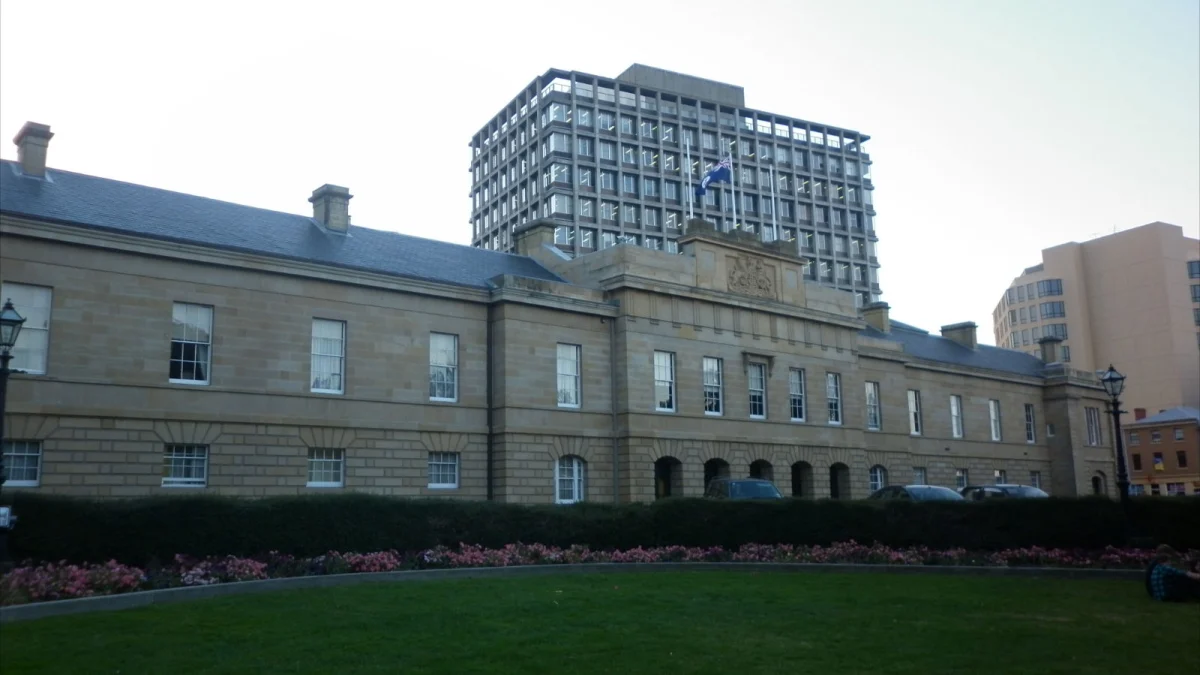
On November 25, 2026, the parliament of the Australian state of Tasmania passed a bill in Hobart to ban practices aimed at changing or suppressing a person’s sexual orientation or gender identity. According to the parliamentary bill record, the upper house passed it at third reading and the lower house agreed to its amendment. The bill awaits the state governor’s assent.
The amendment concerned the definition of sexual orientation in the anti-discrimination law. The bill text makes intentionally engaging in a conversion practice a criminal offence when it causes physical or mental harm and the person who engaged in it was negligent as to that risk. The main provisions are due to take effect no later than 12 months after assent.
The lower house first passed the bill on October 29. Rosalie Woodruff, leader of the Tasmanian Greens, introduced it.
The proposal concerns conduct intended to change, suppress or eradicate a person’s sexual orientation or gender identity, regardless of consent. The notes accompanying the introduced bill provide exemptions for professional healthcare delivered in good faith and identity exploration. Expressing religious beliefs, praying or having a family conversation does not, of itself, constitute a conversion practice.
According to Pulse Tasmania, MPs removed a provision making employers criminally liable for employees’ offences. Amendments also address the threshold for starting investigations and consideration of religious freedom, parental rights and children’s rights in a review after five years.
The Greens, Labor, some Liberals and independent MPs supported the bill. Equality Tasmania spokesperson Rodney Croome said the ban should protect LGBT people from harm; his position appears in the Tasmanian Times.
Opponents dispute the ban’s scope. According to ABC, Deputy Premier and Attorney-General Guy Barnett considered the bill an overreach. Women Speak Tasmania’s Isla MacGregor called it a threat to free speech and sought prior scrutiny by a parliamentary committee.
Uránia previously covered the dispute over this bill and critics’ concerns.